Army foundation
I joined the Army at 17. Four years taught me the value of teamwork, structure, training, discipline and being honest about mistakes so you can learn from them properly.
About The person behind the CV
My career has moved from the Army to engineering, oil and gas, offshore wind, program leadership and self-directed software projects. The thread through it all is simple: learn fast, work honestly, build trust, and create environments where people can do their best work.
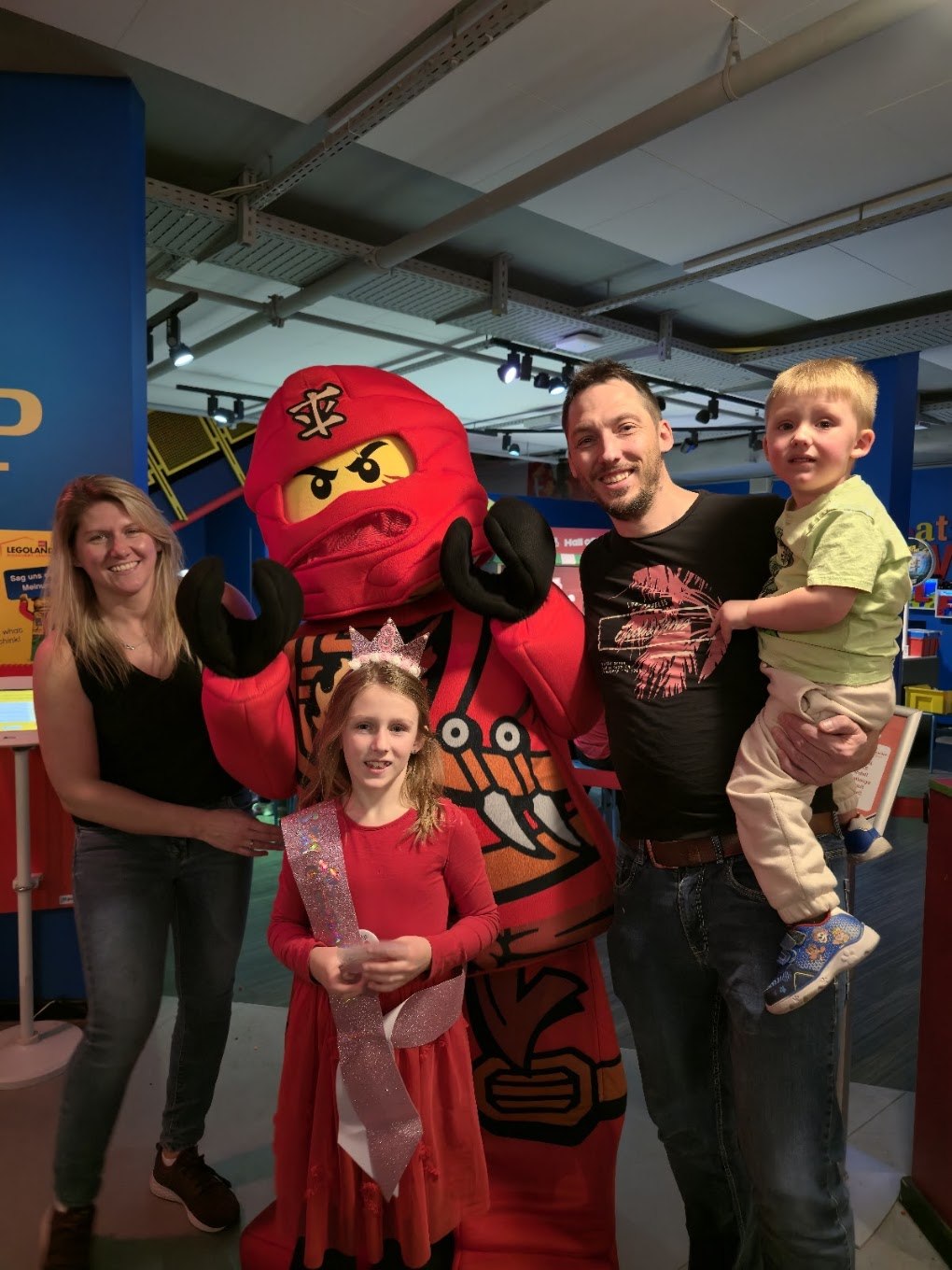
Storyline
I joined the Army at 17. Four years taught me the value of teamwork, structure, training, discipline and being honest about mistakes so you can learn from them properly.
I studied Mechanical Engineering with Computer-Aided Design at Plymouth. That gave me a strong technical base and a way to connect practical engineering with digital design.
I moved to Brighton to start my career in oil and gas as a 3D designer, then moved into engineering leadership at AFGlobal, delivering subsea connection systems with multidisciplinary teams.
I moved from engineering into project management and senior leadership, pushing innovation in design, process, delivery rhythm and ways of working.
I took the next step into Siemens Gamesa, moving with my family from the UK to Denmark and expanding from oil and gas into renewable energy, large programs and manufacturing transformation.
At home I like building things that matter: remodelling the house, creating Nesty to support my daughter, taking the kids out on bike rides, and learning software by solving real problems.
How I Work
The best work happens when teams trust each other, understand the goal and feel safe enough to surface problems early. Team building is not a side activity; it is part of delivery.
I believe in being clear about mistakes. If something went wrong, the useful question is what we learned, what we change, and how we stop the same issue repeating.
I generate a lot of ideas, but I am also evaluating risk as I talk. I like active discussion: test the idea, challenge the weak points, and shape a sensible route forward.
I am open about dyslexia and ADHD. It was hard growing up, but I have learned to use it as a strength: pattern-spotting, energy, creativity and a different way of connecting problems.
I do not like process for the sake of paper. Build on what works, remove what does not, simplify the noise and create an environment where practical thinking can happen.
Life Around The Work
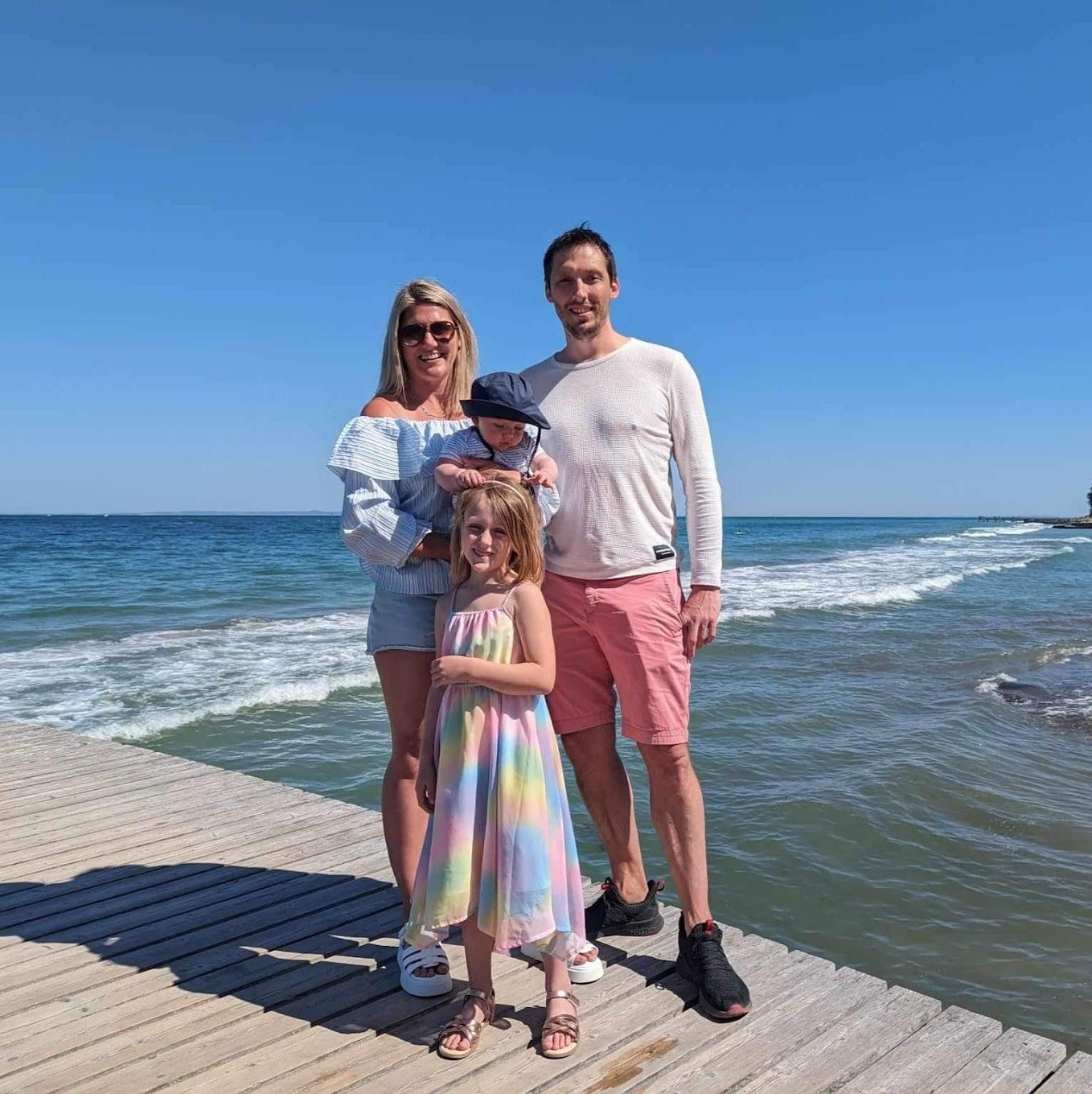
I am motivated by building value for my family. That can be as physical as remodelling and extending the house, or as digital as building Nesty so my daughter has a better route into reading, writing and routines.
Photos
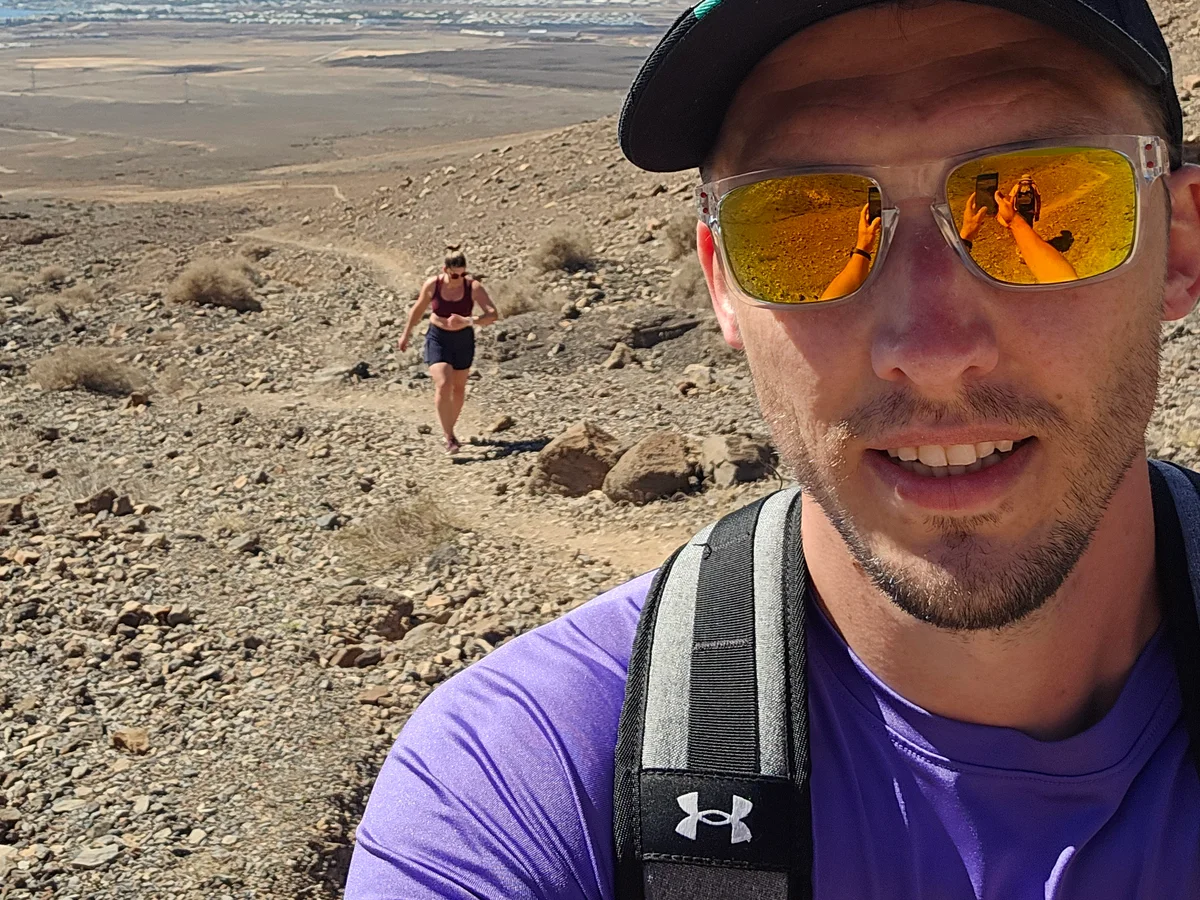
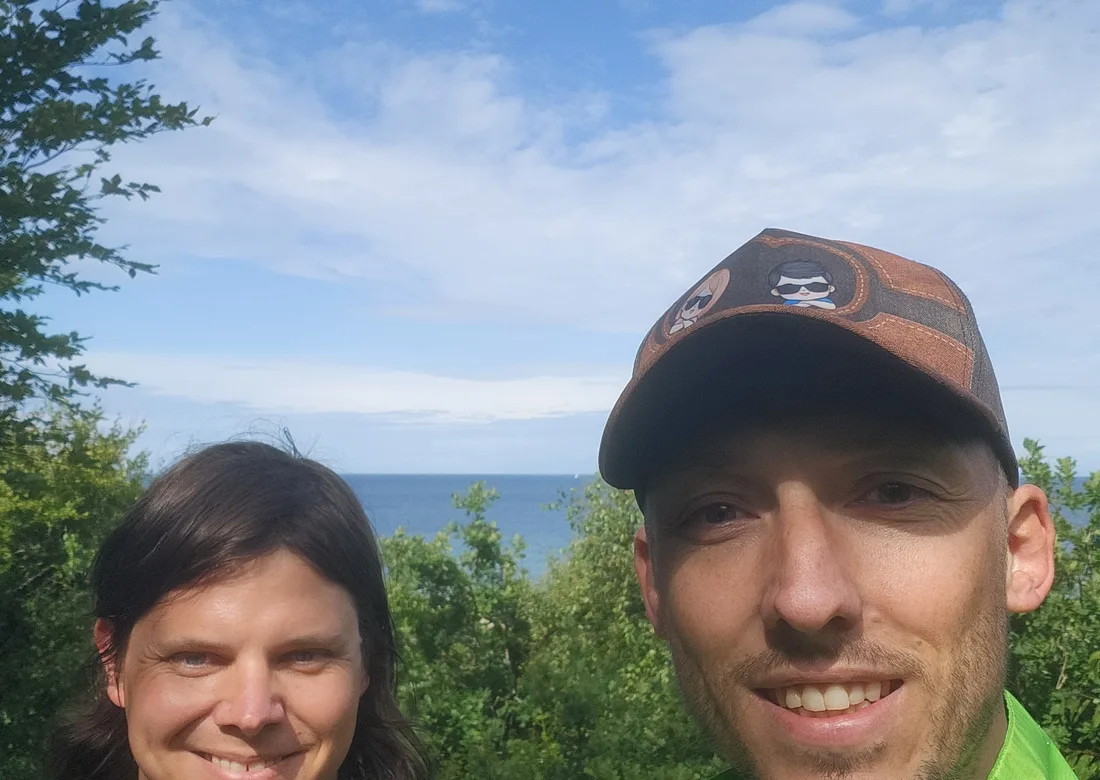
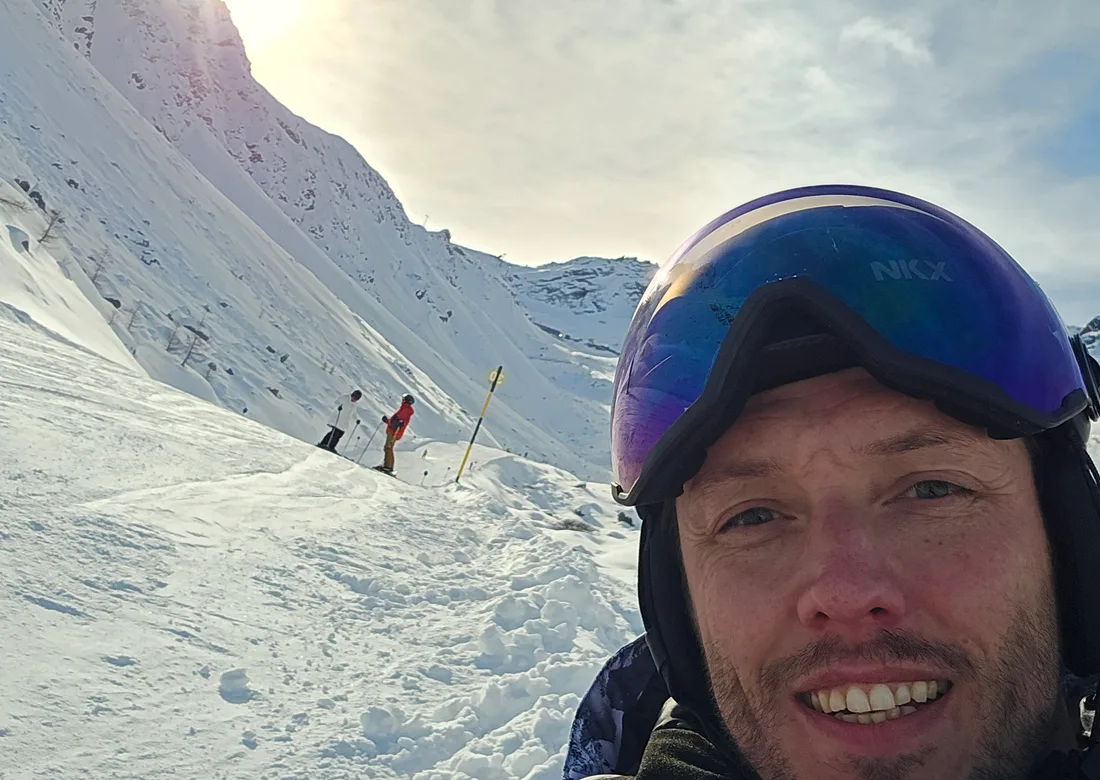
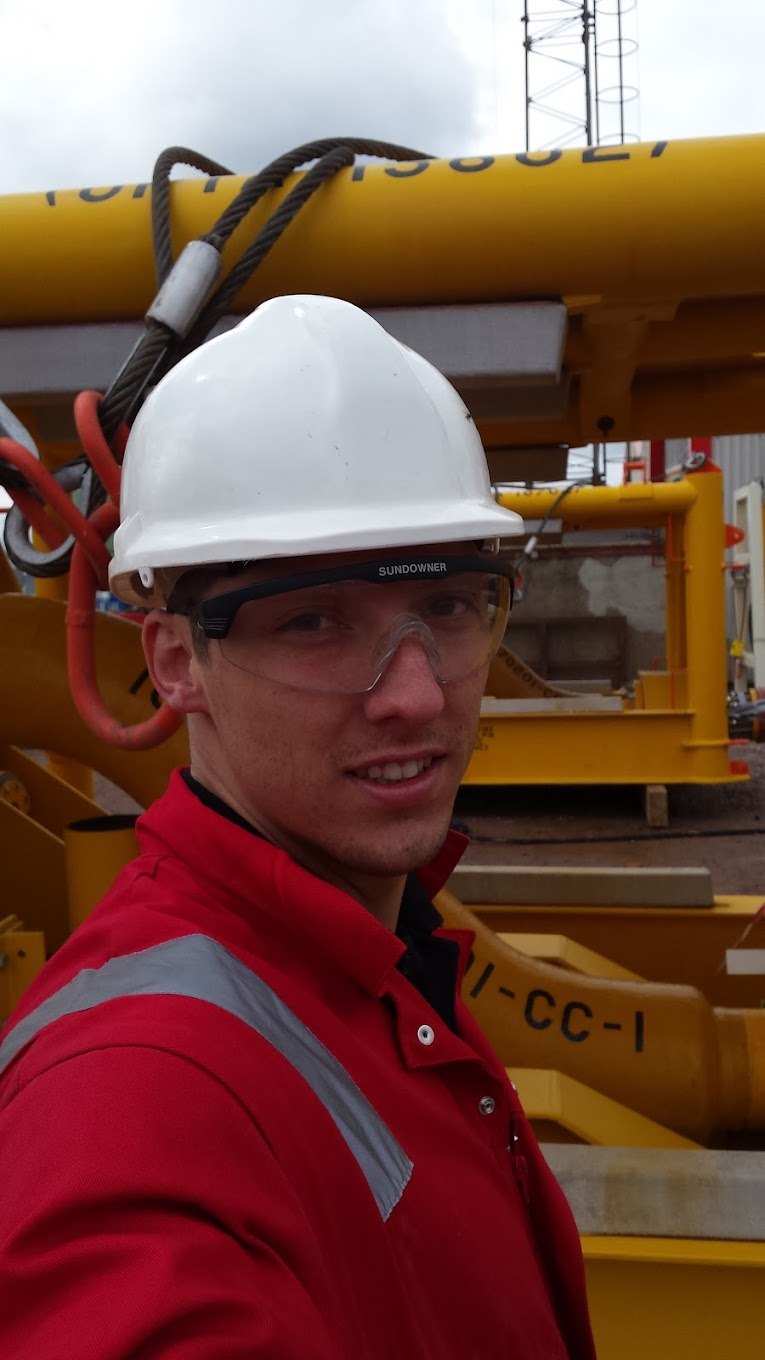
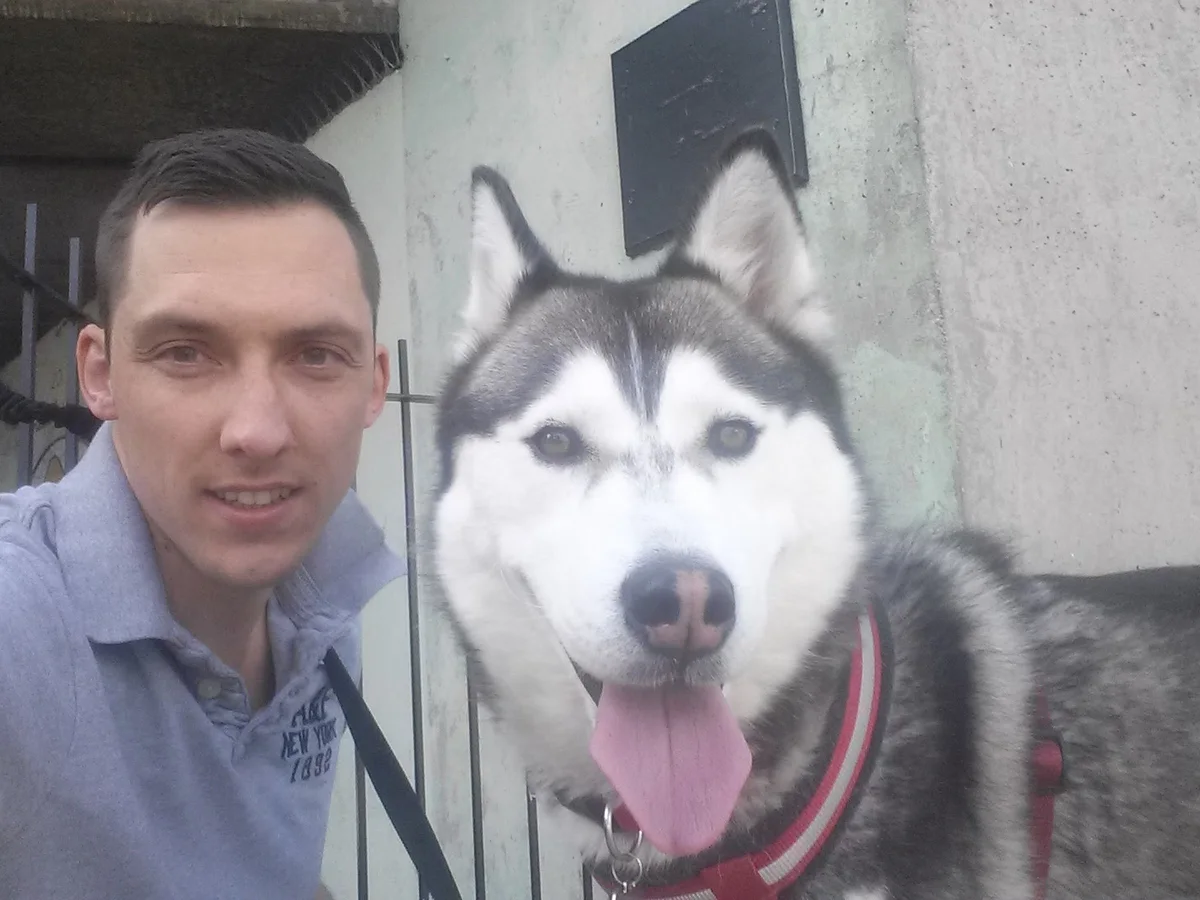
It is still a professional profile, but it shows the full operating system behind the work: leadership, engineering, curiosity, family, relocation, resilience and the drive to keep learning.
Snoaper is a personal hobby and learning lab. It shows curiosity, practical software learning and the ability to turn operational pain points into usable tools.
Because family life is part of the real story. It shows what motivates the work: building value, creating better routines and staying grounded outside the job title.